THE HUMAN BEHIND
CORE MOTION
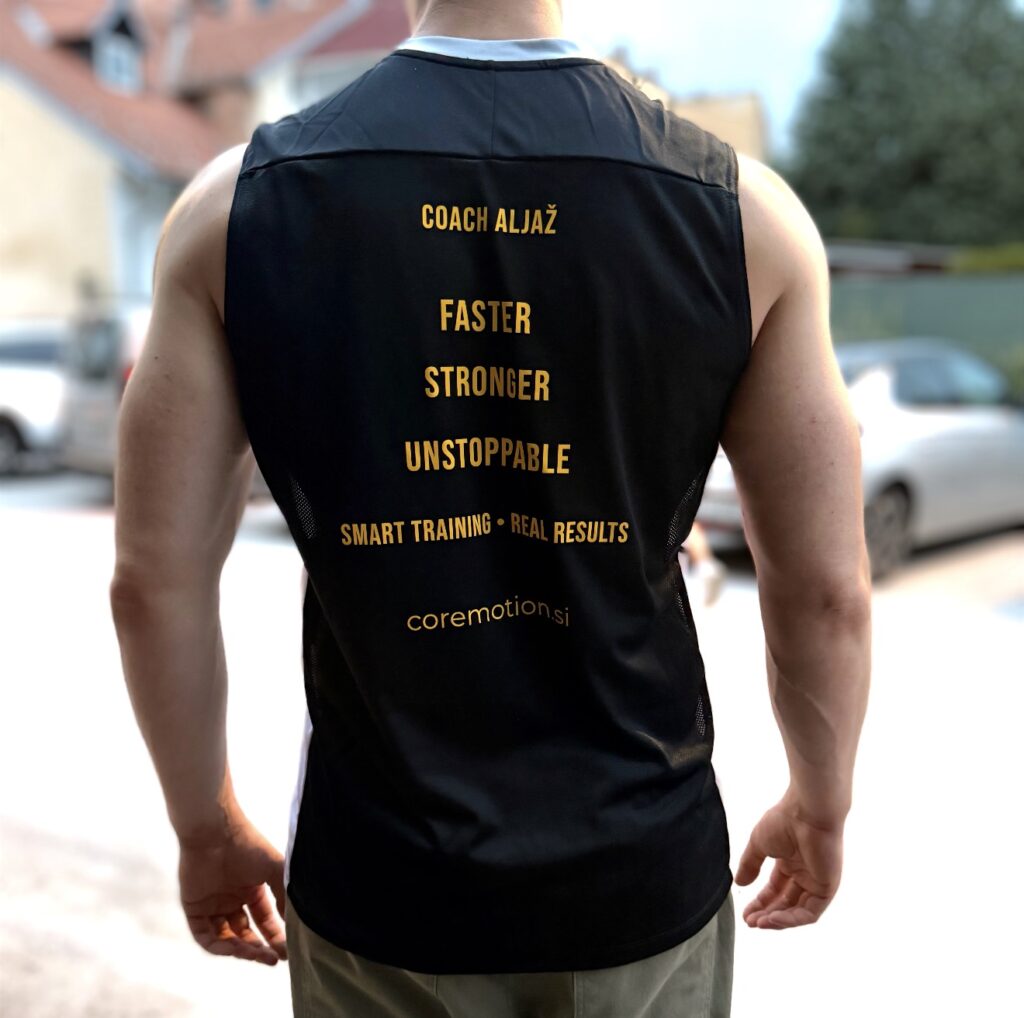
BUILT THROUGH
EXPERIENCE.
REFINED THROUGH SCIENCE.
I didn’t create CORE MOTION because training was always easy for me.
I created it because, at one point, I had to learn how to move again.
WHERE CORE MOTION REALLY BEGAN
My journey started long before the injury.
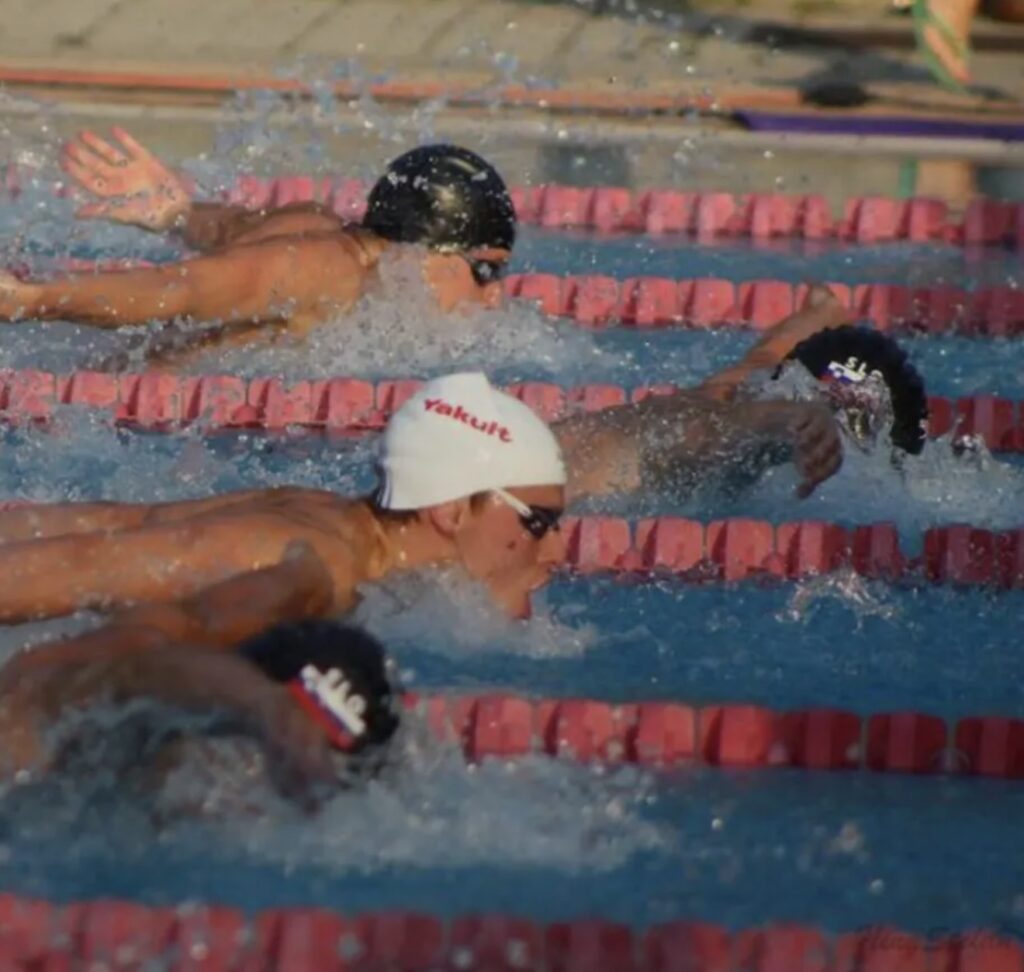
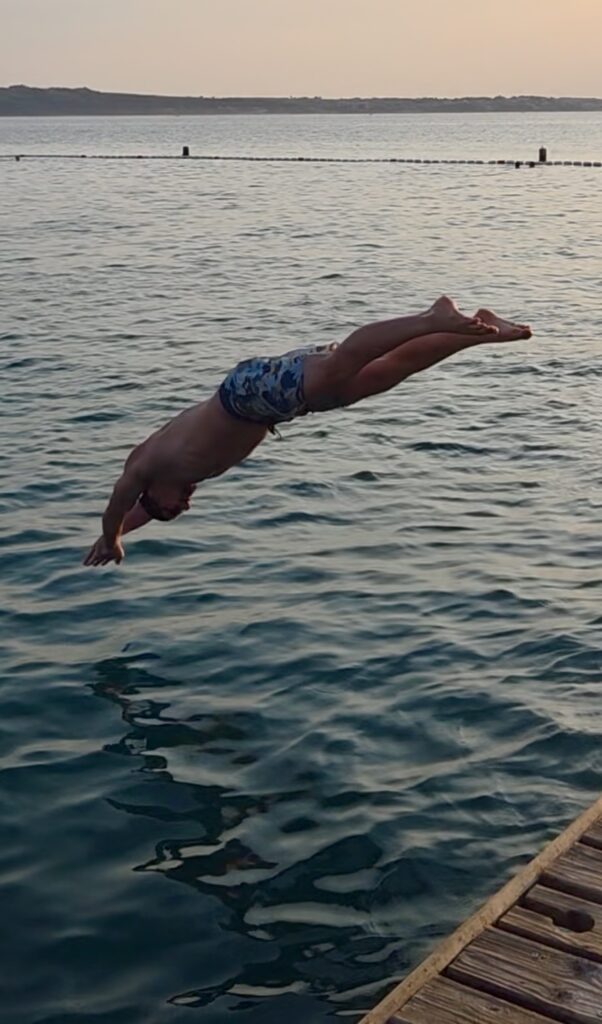
I come from competitive swimming, where years of training taught me discipline, technique, performance and what it takes to push the human body toward its limits.
But the experience that changed how I understood training happened outside the pool.
A severe spinal disc injury left me in excruciating pain. At my worst, walking was difficult and even lying down could be unbearable. For months, much of what I had previously taken for granted was suddenly impossible.
When conventional approaches stopped giving me the answers I needed, I had two choices:
Accept what my body could no longer do —
or learn everything I could about what it still could.
CORE + MOTION
Unable to train normally, I started from the foundation.
My CORE.
And then I explored which MOTION my spine could tolerate.
I studied. I experimented. I observed how my body responded.
Which movements caused pain?
Which created stability?
Which muscles weren’t doing their job?
How could I progressively load my body without aggravating the injury?
How could mobility, strength, recovery and nutrition work together rather than independently?
Progress came gradually.
Small movements became exercises.
Exercises became training.
Training became performance.
CORE MOTION was born from that process.
FROM REHABILITATION TO PERFORMANCE
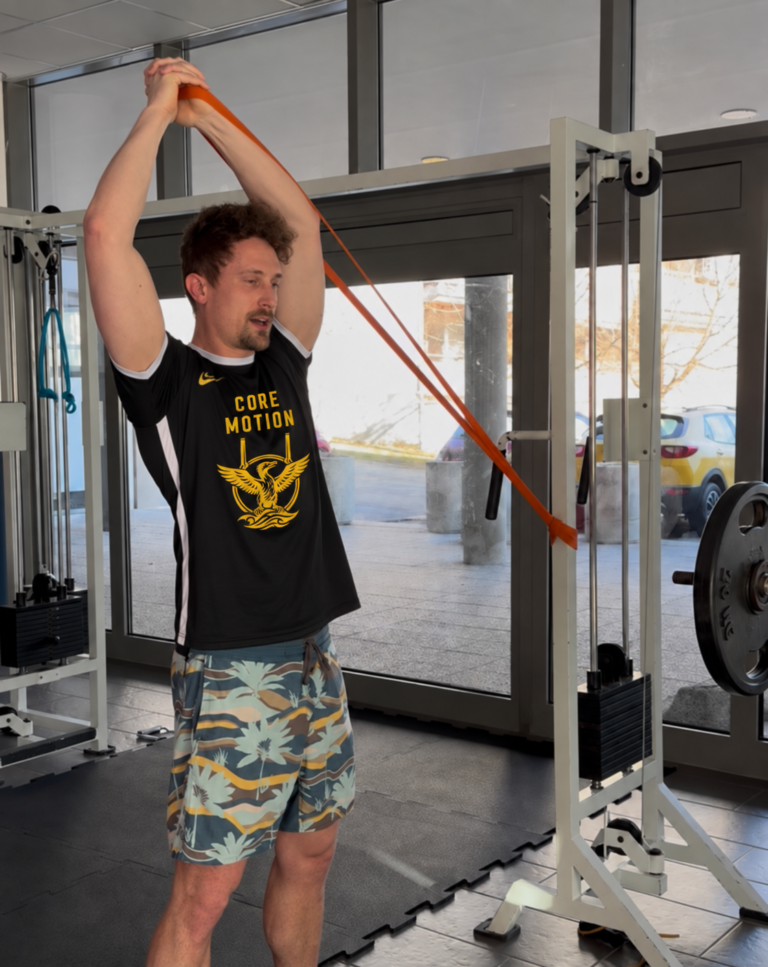
The goal was initially simple: get my life back.
Instead, I eventually built one of the strongest, most capable and resilient versions of my body I had ever had.
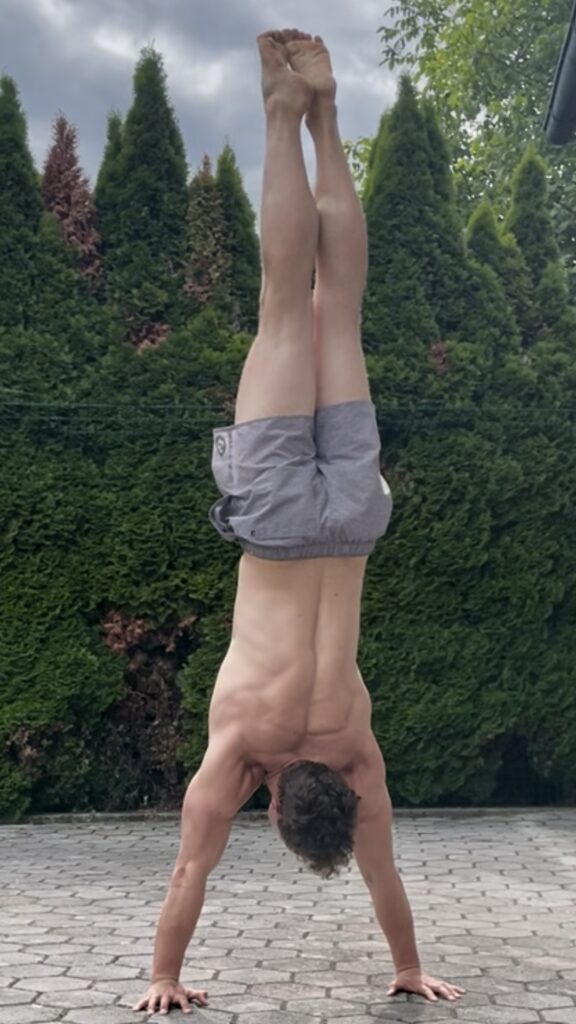
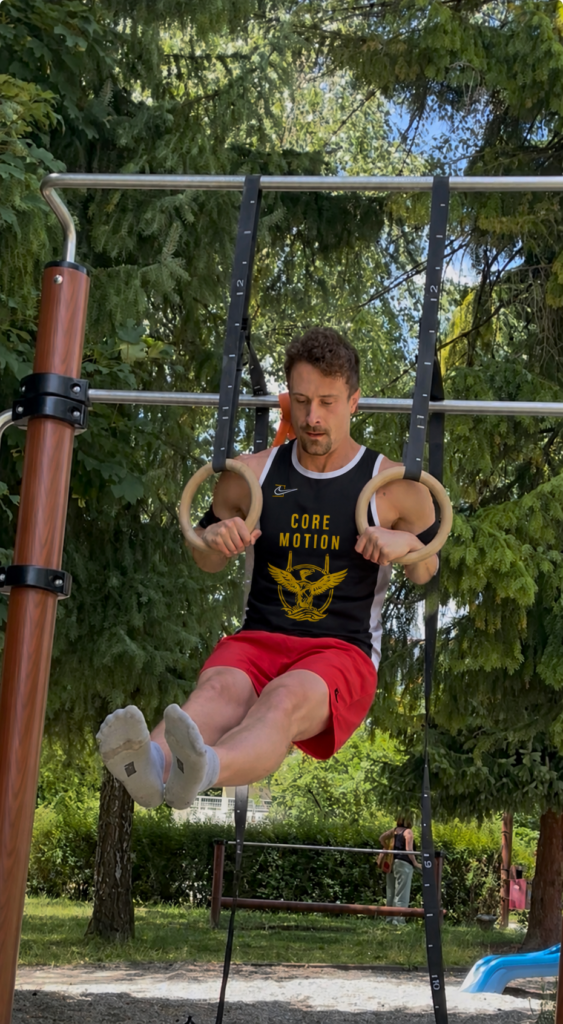
I progressed deeply into calisthenics and functional strength, developing skills such as handstand push-ups and advanced bodyweight strength.
And something particularly interesting happened when I returned to swimming.
Despite no longer building my training primarily around traditional swimming volume, I was able to swim close to my personal-best performances while focusing heavily on calisthenics, strength, technique and speed.
That experience fundamentally shaped the way I coach today.
The body doesn’t understand labels like “swimming workout”, “gym workout” or “calisthenics workout.”
It responds to stimulus.
The right combination of training methods can complement one another — developing strength, power, mobility, control and resilience that transfer back into the sport or life you actually care about.
SCIENCE MEETS EXPERIENCE
My approach is also shaped by my background and continuing study of physics, chemistry and biology.
I want to understand not only WHAT works, but WHY.
Movement involves mechanics.
Performance involves physiology.
Nutrition involves chemistry and metabolism.
Progress involves adaptation.
Understanding these connections allows me to look beyond individual exercises and build training around the entire system.
But theory alone has never been enough for me.
I test what I learn.
MY BODY BECAME MY LABORATORY
Over the years, I have deliberately experienced very different physical goals and training phases.
I’ve gained weight.
Lost fat.
Built muscle.
Reduced it again.
Developed maximal and functional strength.
Trained swimming performance.
Focused on calisthenics skills.
Experimented with different training volumes, frequencies, recovery strategies and nutritional approaches.
Not because constantly changing your body is necessary for progress.
Because I wanted to understand the process from the inside.
What actually makes fat loss sustainable?
What allows muscle to grow while maintaining athletic ability?
How do you become stronger without simply becoming heavier?
How does strength training transfer into swimming?
How much training is productive — and when does more become less?
What happens when nutrition, recovery and training are designed as one system?
FROM ONE SPORT TO A COMPLETE SYSTEM
That is why CORE MOTION isn’t built around one training method.
Depending on the person and the goal, we can combine:
• Functional strength
• Calisthenics
• Swimming
• Mobility
• Explosiveness
• Injury prevention
• Recovery
• Nutrition
• Sport-specific preparation
A swimmer doesn’t necessarily need only more swimming.
A footballer doesn’t necessarily need a generic gym program.
A calisthenics athlete doesn’t need to sacrifice mobility or conditioning to become stronger.
And someone who simply wants to look, move and feel better doesn’t need to train like a professional athlete — but they can benefit from the same principles.
THE GOAL IS NOT JUST TO TRAIN YOU.
It is to understand what your body needs.
We identify where you are, what you’re preparing for and what is limiting you.
Then we select the training methods that create the greatest synergy toward that goal.
For some people, that means performance.
For others, strength, muscle or fat loss.
For others, returning from injury or building a body they can rely on for decades.
And for many, it is a combination of all of them.
FROM BEGINNER TO ATHLETE.
FROM ATHLETE TO PROFESSIONAL.
FROM WHERE YOU ARE TO WHAT YOU CAN BECOME.
CORE MOTION is the system I wish I had when I needed to rebuild myself.
Today, I use everything I learned through competitive sport, injury, science, experimentation and coaching to help other people build stronger, more capable bodies — intelligently and sustainably.
Not movement for the sake of movement.
The right movement.
For the right person.
At the right time.
CORE MOTION
BUILD YOUR STRONGEST VERSION.